
I love Mexico. I travel there any chance I get, whether it is for a quick taco run to Tijuana, a visit to the dentist or vet, or my favorite: to drink some wine in Valle De Guadalupe. I don’t just travel to Baja California. I frequently use Cross Border Xpress to fly further south and explore other Mexican states. For the last 3 years, I have been invited to Tianguis Turistico, the largest Tourism convention in Mexico, to meet with tourism boards, brands, and tour operators to learn about the different regions.
Mexico is an incredible country, and here in San Diego, we’re lucky to be just a few miles from the border. Within an hour, we can hop over and experience a colorful culture, delicious food, and world-class wines. And then there are the people. Always with a smile on their face, they want to welcome you into their culture, show their history and traditions, and feed you their most delicious foods.
Here are some of my favorite States in Mexico:
Baja California


Where to Stay in Baja
Jalisco
Puerto Vallarta

Chiapas

Guerrero
Acapulco

Baja California Sur
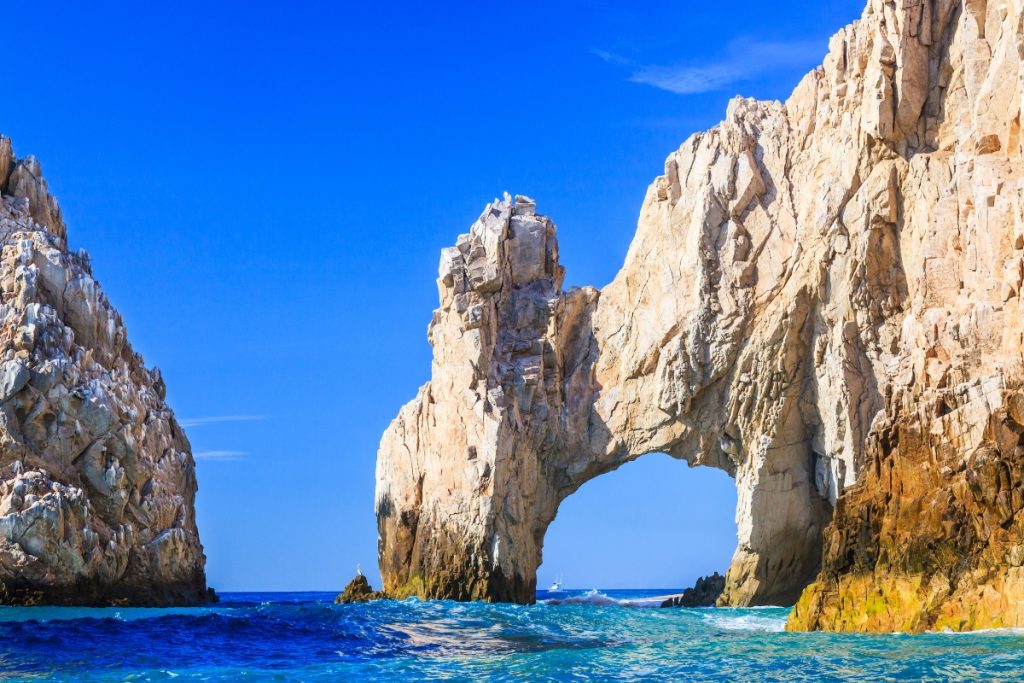
Cabo San Lucas
Where to Stay in Cabo
Nayarit

Mexico City

More Mexico Reads
5 Off-The-Beaten-Path Beach Destinations in Mexico You Need To Visit
Is Mexico Safe?
“But aren’t you afraid to go to Mexico? Isn’t it dangerous?” This is probably one of the most frequently asked questions I get from my readers, my friends, and even my family. Yes, Mexico has a really high crime rate. Yes, it can be dangerous. However, from my experience, this violence rarely targets tourists. Use common sense, and don’t get involved in any shady business.
Researching before going to Mexico is important, and one of my goals for all my articles on this page is to share my honest perspective with my readers. If a place doesn’t feel safe to me, I will not recommend it. Does that mean my articles will always be 100% correct? No, because things can change, sometimes quite quickly. So I ask you to do your own research, look for reputable sources, and change your plans when things just don’t feel right.
How to Get There?
From San Diego, you have quite a few options, so let me get into them one by one:
Walking
You can either drive or take the Trolley to San Ysidro (the trolley stops a few hundred feet from the border) and then walk across. It is super simple, and unless you are going on a major holiday or festival, crossing into Mexico should only take about 5-15 minutes.
Coming back is a different story. I highly recommend getting Global Entry or Sentri if you plan on going to Mexico. With Global Entry or Sentri, crossing back also usually doesn’t take much longer than 15-20 minutes, but without it, it can take hours. I would not recommend it.
Driving
Driving to Mexico is also quite simple. Just drive South on the I-5 until you hit the border. Please know that your car insurance will most likely not cover you in Mexico, so I highly recommend getting some before you go. I always go with BajaBound. I love how easy it is to sign up with them. I never had a claim so far, though (knock on wood), so I can’t tell you how they are when you actually need them.
Driving in Tijuana is, well, a bit special though, so be warned. Street rules are often seen as suggestions rather than law, same as how many cars should be in one lane of traffic. I recommend driving only during the day, paying attention to what people are doing around you, and not relying on the rules, but expecting the unexpected.
Flying
If you are flying into Mexico from San Diego, or even Southern California, I recommend using Cross Border Xpress and flying from Tijuana. Crossing over the border is fast and easy, as only people with boarding passes can use this border crossing. I never had more than 3 people in front of me at immigration. Then you are in Mexico and fly domestically, so your flights are usually quite a bit cheaper. I have gotten deals where flying out of San Diego would have cost me several hundred dollars more AND added a layover and a few hours of travel time.
Cruising
There are quite a few cruises from San Diego (and Southern California) that will take you to Mexico. That is probably the easiest way to get to Mexico and the most scenic. Immigration is taken care off and all you have to do is wait for your first port of call to enjoy Mexico. I haven’t done the cruise yet, but hopefully soon.
Ferry
I am still waiting for the San Diego – Ensenada ferry that is supposedly coming soon (or so they have said for the past couple of years). Stay tuned.
Important Paperwork
- Passport
- Global Entry or Sentri (not required, but highly recommended, especially when driving or walking)
- FMM (Forma Migratoria Múltiple) is mandatory for all non-Mexican citizens (yes, even if you just go for a day or stay close to the border). It is free if you stay less than 7 days. When you fly or cross on foot, you will get it at immigration or just before, and if you drive through San Ysidro, get it at the Customs Office Building on the right, just after you enter Mexico.
- Mexican Car Insurance (if you are driving), car registration, and driver’s license.
Mexico FAQs
Mexico rarely checks documents when you drive south, but you need it if you fly or walk across the border. You also need one to get back into the United States. U.S. citizens returning by land can use a passport book, a passport card, a SENTRI or Global Entry card, or an enhanced driver’s license. A regular California driver’s license on its own is not enough. If you are flying anywhere from the US or Tijuana, bring your passport book.
Technically, yes. Mexico requires an FMM (Forma Migratoria Múltiple) for all foreign visitors, whatever the length of the stay. The 72-hour “free zone” you may have heard about was abolished years ago. For stays of seven days or less, the permit is free. Longer stays cost 983 pesos (about $54) as of January 2026. At San Ysidro, you get it at the INM immigration office at El Chaparral as you enter. If you drive, pull into the immigration area before you continue into Tijuana.
It depends on the day, the hour, and the lane. It can be a few minutes or several hours. Sunday afternoons and holiday weekends are the worst. Check CBP’s Border Wait Times site or app before you head back, and plan your return for a weekday or early in the day if you can.
If you cross more than a few times a year, yes. SENTRI costs $122.25 for five years and also includes Global Entry and TSA PreCheck. SENTRI lanes are usually much shorter than the general lanes, whether driving or walking. A cheaper middle option is the Ready Lane, which you can use with a passport card or enhanced driver’s license. Also, if you have Global Entry, you can register your car for SENTRI for free.
Yes, but since 2012, Baja California has required Mexican liability insurance for every driver, and your U.S. policy does not count. Buy a Mexican policy online before you go. You can buy it just for the days you’re there. Baja does not require a temporary vehicle import permit, but mainland Mexico does.
Declare everything you bought. Adults 21 and over crossing on foot or by car can bring back one liter of alcohol duty-free every 31 days. That’s a little more than one bottle of Valle de Guadalupe wine, so budget for duty on the rest. Many fresh fruits, vegetables, and meats are not allowed across. When in doubt, declare it and let CBP decide.
Yes. Uber works throughout Tijuana and is the easiest way to get from the pedestrian crossings to Avenida Revolución, the restaurants in Zona Río, or the airport. Walk a few minutes away from the crush right at the crossing exit before you request a pickup.
Most people drive. Cross at San Ysidro, take the toll road (Highway 1D) south past Rosarito toward Ensenada, and turn inland onto Highway 3 at El Sauzal. Plan on about two hours of driving from the border, plus the crossing itself. Keep pesos or small dollar bills for the toll booths. Don’t drink and drive in Mexico (or anywhere).
Only if someone in your group is not tasting. Wineries are spread out, many access roads are unpaved, and a day of tastings adds up quickly. Hiring a driver or booking a wine tour from Ensenada or San Diego is the relaxed option, and it lets everyone enjoy the day.
Rosarito is the quick one: about 30 minutes south of the border, with beaches, seafood, and lobster in nearby Puerto Nuevo. Ensenada is roughly an hour and a half from the border. It is a port town with the fish-taco stands, La Bufadora, and the shortest drive into Valle de Guadalupe. For a single night, pick Rosarito. For two nights, Ensenada lets you add wine country.
In Tijuana, Rosarito, and Ensenada, dollars are widely accepted, but you will usually get change in pesos at a less favorable rate. Credit cards work at most restaurants, hotels, and wineries, but not all, and definitely not small taco shops, souvenir stalls, etc. Always check before you order if they take cards. Carry pesos for taco stands, markets, tips, and small purchases.
Many U.S. plans include Mexico at no extra charge, but not all of them. Check your plan before you cross, especially if you depend on maps or ride-hailing apps.
Stick to bottled or purified water. Restaurants and hotels geared toward visitors generally use purified water and ice, but it is not something to take for granted at every stand.
In restaurants, 10 to 15 percent is standard, and 15 percent or more for great service. Tip in pesos when you can. Tip tour guides and drivers separately.
Yes. Plenty of San Diegans cross for dental work, and for vet visits too. The savings can be significant. Do the same homework you would at home: check credentials and reviews, and get a written estimate before any work starts.
They are two separate Mexican states. Baja California is the northern half of the peninsula: Tijuana, Rosarito, Ensenada and Valle de Guadalupe. Baja California Sur is the southern half: La Paz, Todos Santos, and Los Cabos. Cabo is about 1,000 miles from the border, so most people fly there.
Spring and fall are the sweet spot along the coast, with mild weather and fewer crowds. Valle de Guadalupe gets hot in summer, but that is also harvest season. Winter is quieter and cooler, and it is gray whale season off the coast of Ensenada.
The grape harvest runs roughly from August into September. The Fiestas de la Vendimia, the region’s harvest festival with events at wineries across the valley, takes place every summer. Hotels in Valle book up early for festival weekends, so reserve well ahead.
Millions of visitors cross every year without problems, but conditions vary by state and change over time. Read the section above, check the U.S. State Department’s travel advisory for the specific state you’re visiting, drive during daylight, and stay on the toll roads.